Self-Drive can meet us near Rundu at Hakusembe River Lodge
Dinner at Bar on the deck: Own account
Accommodation: Hakusembe River Lodge Rooms BB
Make sure that you did last-minute shopping in Rundu
We will make an early start for the Katwitwi border post, due to the process that can be time consuming. We will submit all documents and request for Kwansas 2 weeks before crossing the border, and this will cut the red tape with an hour or two.
Once in Angola the road follows the mighty Cubango River. No progression on the roads that the former Springbok Rugby captain, Gary Teichman’s construction company is contracting for, but maybe a different contractor started on the road.
For 44-years Angola was a war zone (ended in 2003). The area that we will pass through in the next couple of days was a hot spot during the war. War remnants are being removed, but you will still see some weaponry along the roadside.
From the Highlands, we continue our journey north, towards the Calandula Falls. The Calandula Falls is an awe-inspiring sight and said to be Africa’s second or third largest waterfall. The 105-meter-high / 400 m wide waterfall is a spectacular site and take one’s breath away when looking at the mighty force with which water plunges down to form mist giving the area a mystical feel.
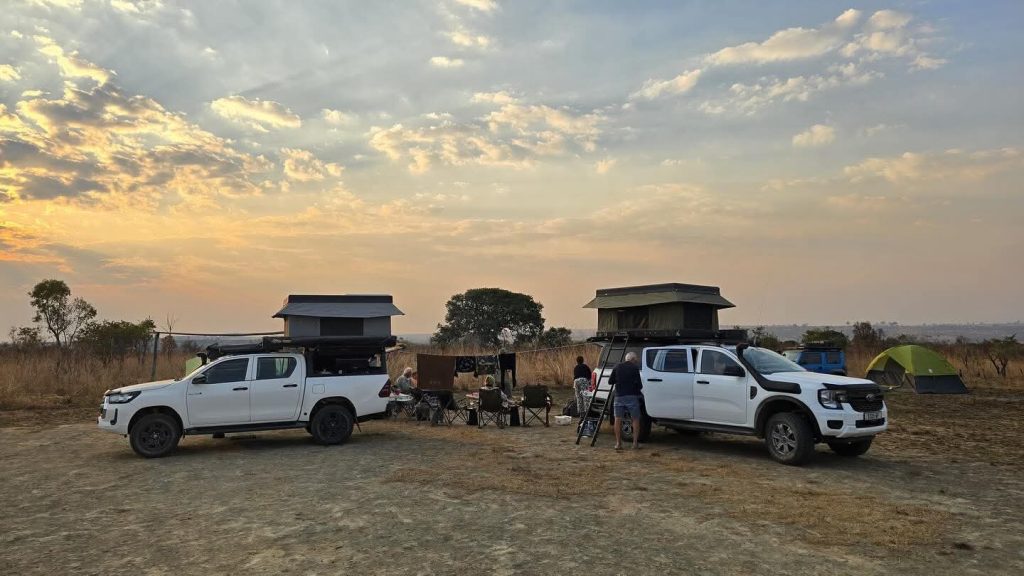
Accommodation and Dinner: Wild camping on a soccer field with bush shower and Toilet, 2 nights at the must see Kalandula Waterfalls with shower and toilet facilities at the ‘Hotel’.
Breakfast and Dinner are included.
At Pedra Negras you will find a series of mysterious rock formations called the Black Rocks. Geologically, the rocks are a mystery – with myths of princesses and shaped like animals.
Accommodation: Wild camping with bush shower and Toilet.
Breakfast and Dinner are included.
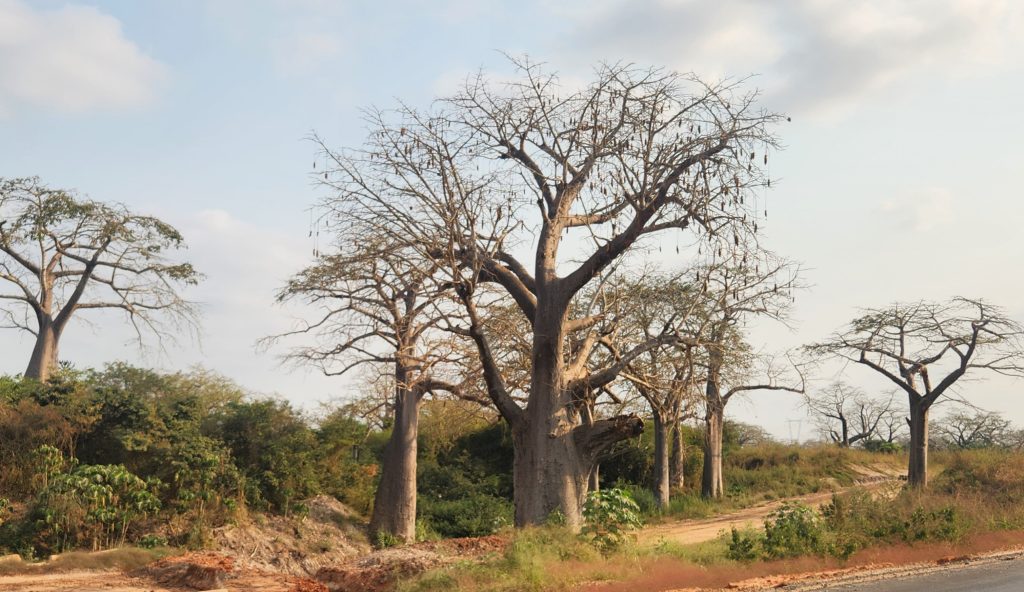
The scenery alongside the road from Calandula to Luanda is beautiful with massive baobab trees.
Unfortunately, no picnic or open areas next to the road to stop and admire the Baobabs.
Luanda is a busy city with a population of between 5 and 8 million. The gap between poor and rich is huge and one will experience some of this. The daughter of ex-President dos Santos, Isabel dos Santos, became the richest woman in Africa in 2020. Our destination is Kwanza Lodge, a fishermen lodge (and a bit run-down) on the banks of the Kwanza River which was built by a South African, Rico Sakko. If the weather permits, we will be able to book a boat trip (own account) on the mighty Kwanza River, which is a worthwhile excursion, with sightings of Crocodiles and Palm nut Vultures.
Accommodation: Kwanza River Lodge DBB and lunch–drinks for own account (2 nights)
After breakfast we depart for Seles and working our way south via Sumbe, crossing the Keve River, we reach the Kumbira Forest.
From Seles we travel to Lobito which dates back to 1843. Lobito is an important seaport and the beginning (or end) of the Benguela railway line. During the colonial era the town was the playground of rich Portuguese and the remains of some of these beautiful holiday houses are evidence of this. The town was well-known for its carnivals and prosperity.
Today Lobito represents a very modern part of Angola with many ships and oil rigs in the harbour. The peninsula with its nightlife and variety of small restaurants makes it ideal for a stopover. Here you will receive a chance to relax on the beach and enjoy the atmosphere. To experience the rhythm and vibrance of the city dinner on this night will be in a local restaurant (dinner will be for own account).
Accommodation: Camping on a surfer's beach DBB
Leaving the boundaries of city life, we head south. We leave the lush and green mountains behind, which make place for a more arid environment. The coastline is really beautiful. The beauty and natural wonders of this area is something to discover. One of our overnight camps will be as close to the beach as possible.
Camping at Pippa’s Bay with ablutions – upgrade to rooms is available
Breakfast and Dinner are included.
A rest day enjoying Pippa’s Bay. Walking on the beach, watching the peaceful fisherman’s Village going about their business.
Accommodation: Camping at Pippa’s Bay with ablutions – upgrade to rooms is available
Breakfast and Dinner are included.
Namibe was founded in 1842 and until 1985 had the name of Mocamedes. Namibe is officially the start (or end?) of the Namib Desert. It has a dry climate with arid vegetation. Namibe has the third largest port in Angola, after Luanda and Lobito. It is also the terminus of the Namibe Railway. The town has a gigantic market where you can buy nearly anything. You will have the opportunity to spend some time shopping here.
It is time to bid the coastline of Angola farewell as our journey to the Namibian border begins. The next 2 days before we reach Ruacana, will be full of highlights. First on the agenda
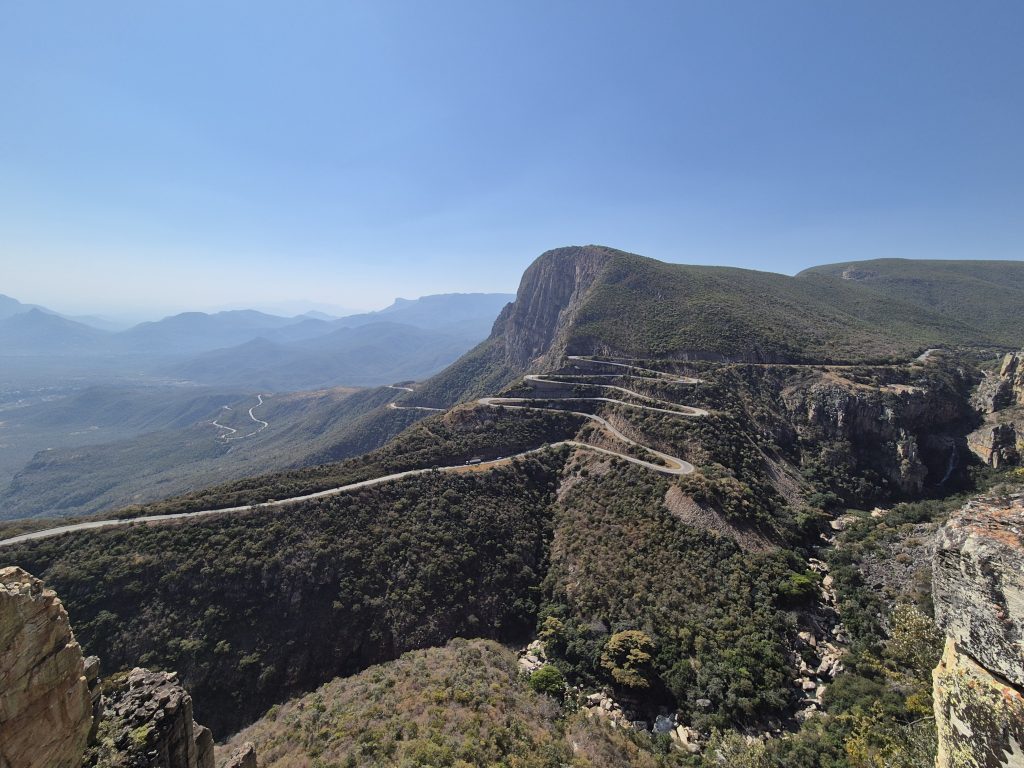
is the spectacular Leba Pass with its awesome hairpin bends and waterfalls. It is a road construction masterpiece with an elevation of 1 000 m within 15 km. The pass is the gateway from the coast to the interior and the city of Lubango. During the Bush War the South-African force had several attempts to sabotage the road that would have cut off the supply line from the coast, but they never succeeded. It is believed that the pass was designed by a Portuguese lady who passed away on the day that the construction of the road was completed.
After the Leba Pass it is about 20 km before reaching the town of Humpata. This town has a strong South African connection as it was here where the Dorsland Trekkers settled in 1881. Humpata was a prosperous little town where the South Africans enjoyed farming the fertile soil. Visiting the Dorsland Trekker cemetery will be memorable as you will recognise surnames like Alberts, van der Merwe and de Jager.
The Christ the Redeemer statue is our next sightseeing stop. The Monumento do Christo Rei keeps a watchful eye over the city of Lubango. The white marble statue is 30 meters high and situated on a hill near the city. The statue is a smaller version of the one in Rio de Janeiro and Lisbon.
Our last stop for the day is at Tundavala, 5 km outside of Lubango. Standing on this cliff you can imagine that the earth has split open here. On a clear day you can see the Namib Desert.
Accommodation: Wild camping with bush shower and Toilet.
Breakfast and Dinner are included.
The final stretch before we cross the border into Namibia at Ruacana. From Lubango, we will head south towards the province of Cunene at a more leisurely pace. Our last night wild camping and suddenly we do not want to say goodbye.
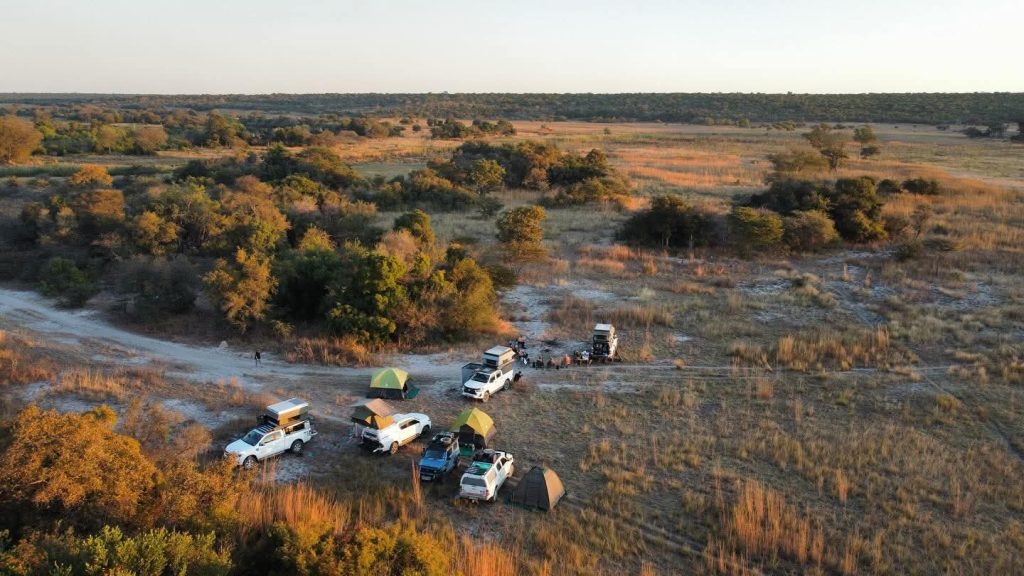
Accommodation: Wild camping with bush shower and Toilet.
Breakfast and Dinner are included
Ruacana Border post via Kamanjab and Otjo to overnight at Lions Den near Otjiwarongo.
Accommodation: Lion’s Den Farm accommodation BB
Dinner for own account.
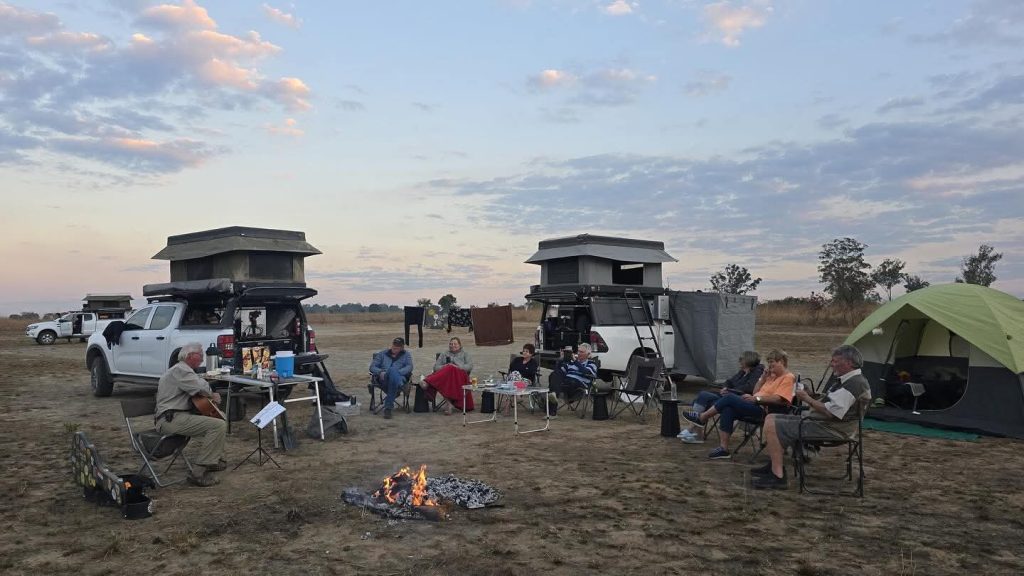
Please note: that the itinerary for Angola serves as an indication of the route. It will be adjusted according to local conditions and the condition of roads. There are almost no tourist facilities in the areas we will travel through, and most of the nights we will spend wild camping. It is impossible to plan exactly the distances per day and we will set up camp every day as progress allows.
This is not a polished postcard tour — it’s a true African expedition. Angola surprises you at every turn with raw beauty, vast spaces and roads that test both vehicle and spirit.
Angola’s pothole roads keep you alert and laughing. It feels like rally driving at times — swerving, dodging and adapting — but that’s part of the thrill. Around every corner? A new landscape that takes your breath away.
Warm smiles. Curious waves.
Dramatic escarpments, sweeping valleys and towering cliffs dominate the skyline. Angola’s mountain scenery is wild, rugged and absolutely unforgettable.
One of Africa’s most spectacular mountain passes. Endless switchbacks carve their way down the escarpment — a photographer’s dream and a driver’s highlight.
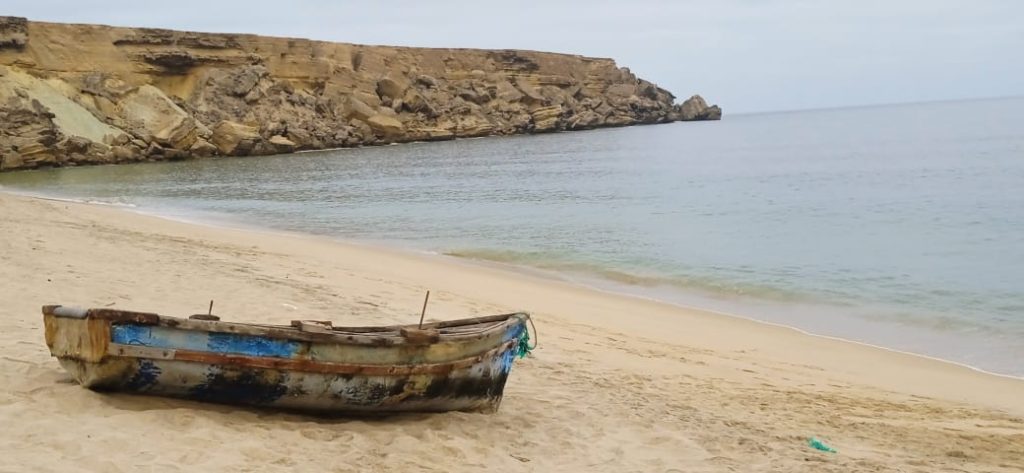
Endless, untouched beaches along the Atlantic Ocean. No crowds. Just waves and raw coastline beauty stretching to the horizon.
From remote villages to the striking high-rise skyline of Luanda — Angola is a country of fascinating contrasts.
Keweseki’s and other motorbikes dominate the roads, adding energy and colour to everyday life.
On the mighty Kwanza River you spot the rare Palm-nut Vultures and crocodiles basking along the riverbanks — a true African wilderness moment.
Ancient giants stand scattered across the landscape, their trunks and twisted branches telling stories older than memory.
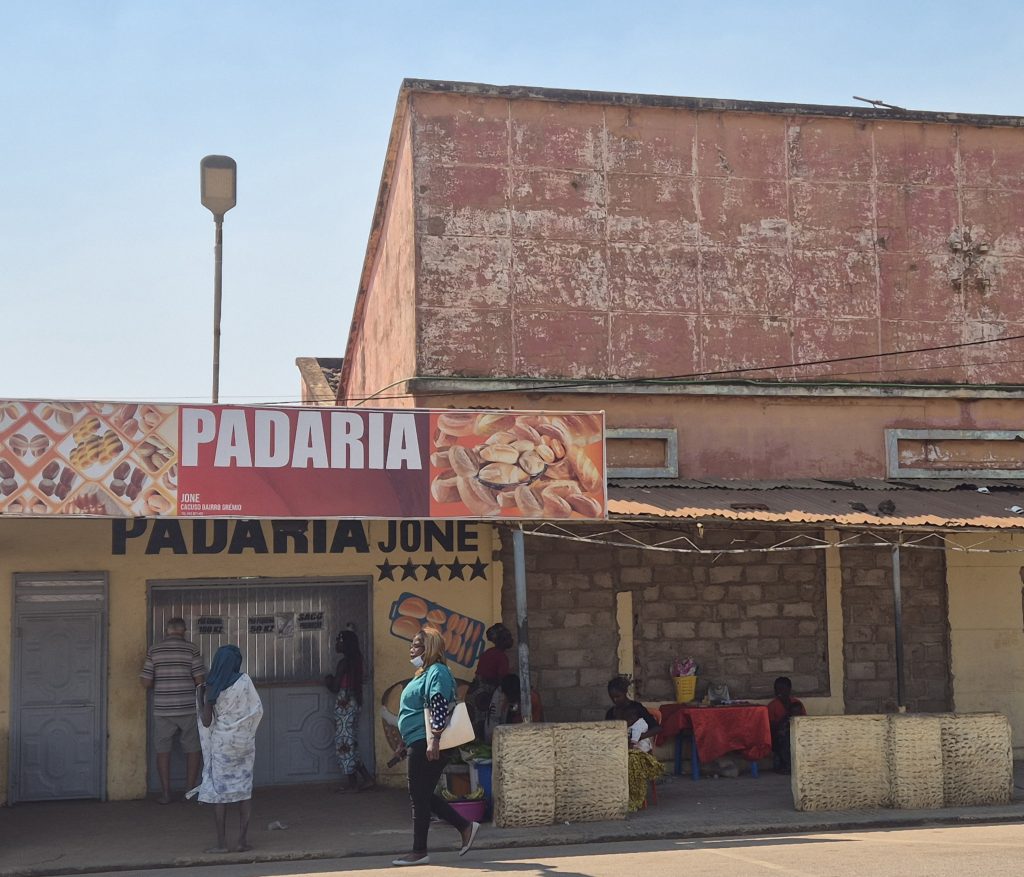
Stop at a local bakery where dough is stirred with a sugar cane stick and baked into the most delicious bread rolls you’ve ever tasted. Simple. Authentic. Perfect.
One of Africa’s largest waterfalls — powerful, dramatic and unforgettable.
Stand on the edge of the escarpment and look down into what feels like infinity. A place that humbles you and fills your soul in the same breath.
Angola is not just a tour — it’s an expedition.
ROUTE PLANNING
and all bookings as well as comprehensive information to prepare for your adventure
ACCOMMODATION – Wild Camping – Lodge – Chalet – Guest House
MEALS
Our fully equipped BUSH kitchen will treat you with a hearty breakfast that varies from continental to bacon/boerewors and eggs. Dinner is always around a camp fire – South African Braai experiences and homecooked meals like bobotie. Always accompanied by fresh salad and vegetables.
COFFEE Station – tea and coffee are yours to enjoy – with early morning homemade rusks.
ICE Bucket is ready before for sundowners, with a cheese platter
2-WAY radios for all vehicles
Own 4x4 Vehicle or 2x4 with good ground clearance and off-road tyres.
Alcoholic beverages/ refreshments, drinking water and snacks.
Fuel, Park Entry fees and Restaurant meals as per itinerary.
Transport with 4x4 Double Cab Vehicle
Alcoholic beverages/refreshments and your own snacks.
Park Entry fees and restaurant meals as per itinerary.